.png)


7 Customer Retention Best Practices for E-Commerce Leaders
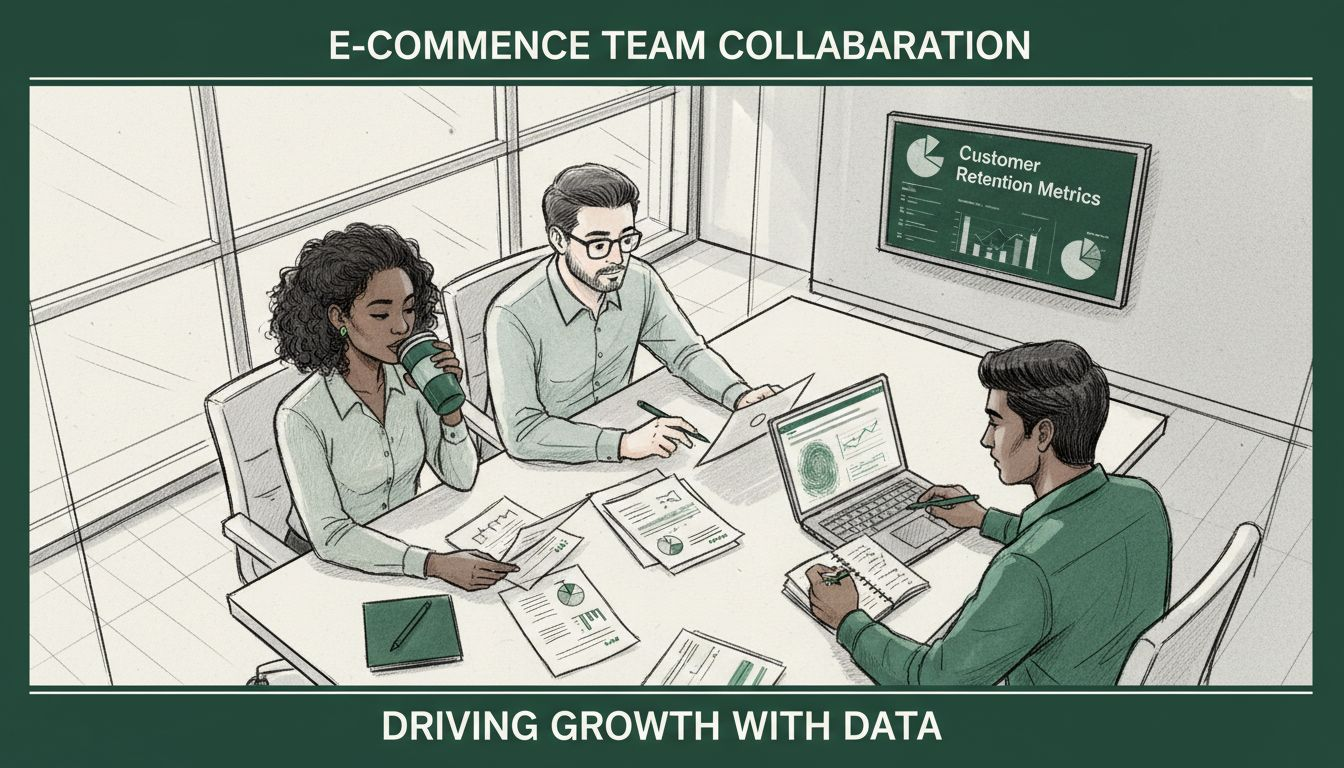
Keeping customers loyal to your e-commerce brand can feel like a constant challenge. With so many options fighting for your audience’s attention, building genuine retention goes far beyond quick discounts and generic messages. If you want shoppers to return again and again, you need strategies that recognize and respond to each customer’s habits and preferences.
The good news is, proven methods now make it easier to connect with buyers at the right moment and in the right way. You’ll find out how the smartest brands use tools like segmentation, automation, artificial intelligence, and loyalty rewards to nurture real relationships and prevent churn. Get ready to discover actionable tactics that will not only improve your retention numbers but also turn casual customers into dedicated fans.
Table of Contents
- 1. Segment Customers for Targeted Retention Campaigns
- 2. Automate Personalized Email and SMS Flows
- 3. Leverage AI for Predictive Customer Insights
- 4. Deliver Consistent Brand Messaging Across Channels
- 5. Reward Loyalty With Exclusive Offers and VIP Perks
- 6. Gather Feedback and Act on Customer Preferences
- 7. Analyze Retention Data to Optimize Your Strategy
Quick Summary
| Key Message | Explanation |
|---|---|
| 1. Segment Customers for Targeting | Use data analysis to divide customers into precise groups for tailored marketing strategies. |
| 2. Automate Email and SMS Communication | Implement automated flows for outreach at crucial moments in the customer journey for personalized engagement. |
| 3. Utilize AI for Predictive Insights | Leverage AI to anticipate customer needs and optimize personalized retention strategies based on behavior patterns. |
| 4. Ensure Consistent Brand Messaging | Maintain uniform messaging across all channels to reinforce brand identity and build customer trust. |
| 5. Reward Customer Loyalty | Create exclusive perks and personalized offers to enhance customer engagement and foster brand advocacy. |
1. Segment Customers for Targeted Retention Campaigns
Customer segmentation is the strategic art of dividing your e-commerce customer base into distinct groups with similar characteristics. By understanding and categorizing your customers, you can create highly personalized retention campaigns that speak directly to their unique needs and preferences.
Successful customer segmentation goes beyond basic demographic information. Modern e-commerce leaders are leveraging advanced techniques to develop nuanced segments based on:
- Purchase history and frequency
- Lifetime customer value
- Engagement levels across digital platforms
- Specific product preferences
- Price sensitivity
- Geographic and behavioral patterns
Research demonstrates that precise customer targeting improves retention effectiveness through data-driven analytical models. The goal is not just to categorize customers but to create meaningful insights that drive personalized marketing strategies.
To implement effective segmentation, utilize advanced tools that analyze comprehensive customer data. Machine learning algorithms can help identify subtle patterns and group customers with remarkable precision. This allows you to craft retention strategies that feel individually tailored rather than generic mass communications.
Strategic customer segmentation transforms generic marketing into a laser-focused retention approach.
Companies that successfully segment their customer base can expect significant improvements in retention rates. By understanding each group’s unique characteristics, you can develop targeted messaging, personalized offers, and engagement strategies that resonate deeply.
Pro tip: Start by analyzing your current customer data and identifying 3-5 distinct segments before developing specialized retention campaigns for each group.
2. Automate Personalized Email and SMS Flows
Automated email and SMS flows represent the cutting edge of customer retention strategies for modern e-commerce brands. These intelligent communication systems enable businesses to deliver precisely targeted messages at critical moments in the customer journey.
By implementing machine learning-powered communication flows, e-commerce leaders can create dynamic interactions that feel personal and timely. These automated systems track customer behaviors and trigger relevant communications based on specific actions or milestones.
Key automated flow types include:
- Welcome series for new customers
- Abandoned cart reminders
- Post-purchase follow-up sequences
- Re-engagement campaigns for inactive customers
- Personalized product recommendation emails
- Milestone celebration messages
Successful automated flows require sophisticated segmentation and behavioral tracking. By understanding individual customer preferences and interactions, brands can craft messages that feel individually tailored rather than generic mass communications.
Automation transforms generic marketing into a precision-targeted retention strategy.
The most effective automated flows combine multiple communication channels. SMS can complement email communications by providing immediate, high-engagement touchpoints that keep customers connected to your brand.
Implementation involves selecting robust marketing automation platforms that integrate seamlessly with your e-commerce infrastructure. Look for tools that offer advanced segmentation capabilities, real-time tracking, and comprehensive analytics.
Pro tip: Design your automated flows with a clear progression and set specific conversion goals for each communication stage to continuously optimize your retention strategy.
3. Leverage AI for Predictive Customer Insights
Artificial intelligence represents a transformative approach to understanding and predicting customer behavior in e-commerce. Predictive customer insights enable businesses to anticipate customer needs before they even arise, creating proactive retention strategies.
By leveraging advanced AI predictive analytics, e-commerce leaders can develop sophisticated models that reveal complex customer behavior patterns. These intelligent systems go beyond traditional analytics by creating dynamic profiles that adapt in real time.
Key AI-powered predictive capabilities include:
- Anticipating potential customer churn
- Identifying high-value customer segments
- Predicting future purchase probabilities
- Customizing individual customer journeys
- Detecting emerging customer preference trends
- Recommending personalized product offerings
Modern AI tools can create synthetic customer personas that allow businesses to simulate and understand potential customer interactions before they occur. This approach transforms market research by providing unprecedented insights into customer behavior and preferences.
AI transforms raw data into actionable customer intelligence.
Implementing AI-driven predictive insights requires investing in robust machine learning platforms that can integrate seamlessly with existing customer data infrastructure. The most effective systems combine multiple data sources to create comprehensive customer understanding.
E-commerce brands should focus on selecting AI tools that offer explainable insights transparent enough to inform strategic decision making. This means choosing platforms that not only predict outcomes but also clearly demonstrate the reasoning behind those predictions.
Pro tip: Start with a pilot AI predictive project focused on one specific retention challenge to demonstrate tangible value before expanding across your entire customer experience.
4. Deliver Consistent Brand Messaging Across Channels
Brand messaging consistency is the strategic backbone of successful customer retention in e-commerce. Unified communication creates a seamless experience that builds trust and reinforces brand identity across every customer touchpoint.
Delivering consistent brand messaging across multiple platforms requires a comprehensive and intentional approach. Your brand voice should feel familiar whether customers encounter your message through email, social media, SMS, website, or mobile app.
Key elements of consistent brand messaging include:
- Maintaining uniform tone and language
- Using consistent visual design elements
- Aligning communication style across platforms
- Developing a cohesive brand narrative
- Ensuring message clarity and simplicity
- Reflecting core brand values in every interaction
Successful brands create comprehensive communication style guidelines that serve as a roadmap for all messaging. These guidelines outline specific language preferences, emotional tone, visual aesthetics, and core narrative themes.
Consistency transforms scattered communications into a powerful, unified brand experience.
Developing a robust brand messaging strategy requires collaboration across marketing teams. This means creating shared resources like brand voice documents, communication templates, and approval processes that ensure every piece of content reflects your core brand identity.
Technology can help maintain consistency through centralized content management systems and brand governance tools that track and standardize communication across different channels and team members.
Pro tip: Create a concise brand messaging playbook that every team member can reference, complete with tone examples, prohibited phrases, and core communication principles.
5. Reward Loyalty With Exclusive Offers and VIP Perks
Loyalty rewards are the strategic heartbeat of customer retention in e-commerce. Exclusive perks and personalized offers transform casual buyers into enthusiastic brand advocates who feel genuinely valued.
Customer relationship management programs that integrate targeted loyalty rewards can dramatically enhance long-term customer engagement. These programs go beyond simple discounts by creating meaningful connections that make customers feel special.
Effective loyalty reward strategies include:
- Tiered VIP membership levels
- Early access to new product launches
- Personalized birthday and milestone rewards
- Exclusive members-only events
- Cumulative points systems
- Surprise gift with purchase
- Referral bonus programs
The most successful loyalty programs create a sense of exclusive community membership. Customers want to feel they are part of something unique rather than just receiving generic discounts.
True loyalty is earned through recognition and exceptional experiences.
Successful e-commerce brands design multi-dimensional reward structures that provide incremental benefits. This approach motivates customers to increase their engagement and spending to unlock progressively more attractive perks.
Implementation requires careful segmentation and personalization. Use customer data to create targeted reward tiers that feel genuinely tailored to individual preferences and purchasing behaviors.
Pro tip: Design your loyalty program with psychological rewards that make customers feel genuinely appreciated, not just transactionally motivated.
6. Gather Feedback and Act on Customer Preferences
Customer feedback is the compass that guides successful e-commerce strategies. Systematic feedback collection transforms passive listening into active business improvement, creating a responsive and customer-centric organization.
Social media and online feedback channels provide critical insights into evolving customer preferences. By establishing multiple feedback mechanisms, businesses can capture nuanced perspectives that drive meaningful product and service enhancements.
Effective feedback gathering strategies include:
- Implementing post-purchase surveys
- Creating interactive customer feedback forms
- Monitoring social media comments and direct messages
- Analyzing customer support interactions
- Conducting periodic customer satisfaction assessments
- Utilizing net promoter score (NPS) measurements
- Hosting customer focus groups
The most successful e-commerce brands treat feedback as a continuous improvement opportunity. They not only collect insights but demonstrate visible action based on customer suggestions.
Customer voices are the most powerful catalyst for meaningful business transformation.
Advanced feedback analysis involves using machine learning algorithms to identify patterns and trends within customer responses. This approach enables businesses to uncover subtle insights that might be missed through traditional review methods.
Successful implementation requires creating a systematic process for not just collecting feedback but also prioritizing and acting on the most impactful suggestions. Develop clear internal workflows that ensure customer insights translate into tangible business improvements.
Pro tip: Close the feedback loop by communicating specific changes implemented based on customer suggestions, showing your brand actively listens and values customer input.
7. Analyze Retention Data to Optimize Your Strategy
Retention data analysis is the strategic compass that guides intelligent e-commerce decision making. Data-driven insights transform raw customer information into actionable strategies that directly impact long-term business success.
Advanced retention analytics combine multiple analytical approaches to uncover complex patterns in customer behavior. These sophisticated methods go beyond surface-level metrics to reveal the nuanced dynamics driving customer loyalty and churn.
Key retention data analysis techniques include:
- Cohort analysis tracking customer behavior over time
- Customer lifetime value calculations
- Churn prediction modeling
- Segmentation based on purchasing patterns
- Behavioral trend identification
- Predictive customer journey mapping
- Retention rate performance benchmarking
Successful data analysis requires a holistic approach that integrates multiple data sources. Comprehensive retention insights emerge when businesses combine transactional data, customer feedback, engagement metrics, and behavioral patterns.
Retention data transforms guesswork into strategic precision.
Implementing an effective retention data strategy involves selecting robust analytics platforms that offer real-time insights and predictive capabilities. Look for tools that provide machine learning-powered analysis and customizable reporting dashboards.
E-commerce leaders should establish cross-functional teams that can interpret complex data insights and translate them into actionable marketing and product strategies. This collaborative approach ensures that data-driven insights drive meaningful business improvements.
Pro tip: Create a monthly retention insights dashboard that tracks key metrics, highlights emerging trends, and provides clear recommendations for strategic adjustments.
Below is a comprehensive table summarizing the key strategies and insights for enhancing customer retention in e-commerce, as discussed in the article.
| Strategy | Key Actions | Benefits |
|---|---|---|
| Segment Customers | Utilize data such as purchase history, engagement, and geography to create segments. | Enables personalized marketing and improves retention. |
| Automate Communication Flows | Implement automated email and SMS sequences for targeted consumer engagement. | Delivers timely, relevant messages boosting loyalty. |
| Integrate Predictive AI Insights | Employ artificial intelligence for advanced analytics to predict customer preferences and behavior. | Anticipates needs, enhancing the customer experience. |
| Ensure Brand Messaging Consistency | Maintain uniformity across communication channels such as emails, social media, and apps. | Strengthens brand loyalty through a cohesive identity. |
| Offer Loyalty Rewards | Structure programs with tiered benefits, exclusive offers, and personalized perks for customers. | Fosters a sense of community and enhances retention. |
| Gather and Act on Feedback | Facilitate channels for collecting insights through surveys, forms, and social media interactions. | Drives product/service improvements valued by customers. |
| Analyze Retention Data | Use metrics such as cohort and churn analysis to refine retention strategies. | Enables data-driven decisions for increased retention. |
Elevate Your E-Commerce Retention With Expert Email and SMS Strategies
The challenge of building lasting customer loyalty and reducing churn is real for every e-commerce leader. As highlighted in the article “7 Customer Retention Best Practices for E-Commerce Leaders,” mastering customer segmentation, automating personalized communications, and leveraging AI-driven insights are essential to transforming one-time buyers into devoted brand advocates. Pain points such as crafting meaningful loyalty rewards, delivering consistent brand messaging across channels, and acting decisively on customer feedback demand focused expertise and strategic execution.
At The Email Marketers, we understand these challenges deeply. We specialize in designing high-impact email and SMS marketing campaigns that bring the article’s best practices to life. Through expert segmentation, automated flows tailored to key customer moments, and AI-powered personalization, we ensure every interaction maximizes customer lifetime value. Our team works closely with you to build retention strategies that not only speak to unique customer preferences but create memorable, loyalty-building experiences.
Ready to unlock the full potential of your customer retention? Discover how our strategic, data-driven approach can help you increase repeat purchases and foster an engaged community. Visit The Email Marketers today and start transforming your retention marketing into a powerful growth engine. Don’t wait—your most loyal customers are just a campaign away.
Frequently Asked Questions
What is customer segmentation and why is it important for retention?
Customer segmentation involves dividing your customer base into distinct groups based on similar traits. This practice is important for retention because it allows you to create targeted marketing campaigns that address each group’s specific needs, increasing the likelihood of keeping customers engaged.
How can I automate personalized email and SMS communication for my customers?
You can automate personalized email and SMS communication by setting up automated flows that trigger based on customer behaviors, such as abandoned carts or post-purchase follow-ups. Begin by identifying key touchpoints in the customer journey and implementing a consistent messaging strategy across channels to enhance retention.
What role does AI play in predicting customer behavior for retention strategies?
AI can significantly enhance your retention strategies by providing predictive insights into customer behavior, such as churn likelihood and future purchasing patterns. Invest in AI tools to analyze your customer data and use the insights to tailor your engagement strategies effectively.
How can I ensure consistent brand messaging across all my marketing channels?
To ensure consistent brand messaging, develop a comprehensive communication style guide that outlines your brand’s tone, language, and visual elements. Update and share this guide regularly with your team to maintain uniformity in messaging across email, social media, and other platforms.
What are effective strategies for implementing a customer loyalty program?
Effective loyalty programs should offer tiered rewards, personalized offers, and exclusive access to events or products. Start by analyzing customer data to create meaningful engagement opportunities and test different reward structures to see what resonates best with your audience.
How do I gather and act on customer feedback to improve retention?
Gather customer feedback through surveys, social media interactions, and direct communication after purchases. Make sure to analyze this feedback systematically and take concrete actions based on customer suggestions, showing them that their opinions matter and can lead to improvements.


