.png)


Email personalization: boost e-commerce retention in 2026

Personalized emails deliver 6x more transactions than generic campaigns, yet most marketers underestimate what true personalization requires. If you think adding a first name to your subject line counts as personalization, you’re missing massive retention opportunities. This guide clarifies what effective email personalization truly involves and shows you how to implement data-driven strategies that transform one-time buyers into loyal customers.
Table of Contents
- What Is Email Personalization?
- How Email Personalization Improves Retention Metrics
- Data Sources And Segmentation Techniques For Effective Personalization
- Technological Tools And The Role Of Ai In Email Personalization
- Common Misconceptions About Email Personalization
- Framework For Building A Successful Email Personalization Strategy
- Case Studies: Real-World Successes With Personalized Email Campaigns
- Next Steps: How To Implement Personalized Email Campaigns For Your Brand
- Unlock Your Retention Potential With Expert Email Personalization
Key takeaways
| Point | Details |
|---|---|
| True personalization requires behavioral and transactional data | First names alone won’t move the needle on retention metrics. |
| AI-driven dynamic content dramatically improves engagement | Automated content tailoring boosts click-through rates by 41%. |
| Real-time data syncing is critical but underutilized | Only 45% of brands sync CRM data in real time for email campaigns. |
| Common mistakes limit campaign effectiveness | Confusing automation with personalization reduces impact by 30%. |
| A layered framework enables scalable optimization | Four-stage approach from data collection to continuous refinement drives results. |
What is email personalization?
Email personalization means tailoring message content, offers, and timing based on individual customer data to create relevant experiences. For e-commerce retention marketing, this goes far beyond inserting subscriber names into templates.
Effective personalized email strategies combine multiple data types to deliver contextually appropriate messages. Demographic, behavioral, transactional, and real-time dynamic personalization each serve distinct purposes in your retention arsenal.
The main personalization types include:
- Demographic personalization: Uses basic subscriber information like location, age, or gender to segment audiences
- Behavioral personalization: Leverages browsing history, email engagement patterns, and site interactions to predict interests
- Transactional personalization: Analyzes purchase history, order frequency, and average order value to recommend relevant products
- Real-time dynamic personalization: Adjusts email content at the moment of open based on current inventory, weather, or recent activity
Simple name insertion represents the bare minimum. Retention-focused marketing demands deeper personalization that reflects where customers are in their lifecycle journey. When you reference their browsing behavior, acknowledge their purchase patterns, and anticipate their needs, you create the relevant experiences that drive repeat purchases and build lasting loyalty.
How email personalization improves retention metrics
Personalization directly impacts the metrics that matter most for customer retention and revenue growth. The data proves its value across every stage of the customer journey.
Segmented, personalized campaigns consistently outperform generic blasts. Subject line personalization improves open rates by 26%, giving you better chances to engage customers. More importantly, lifecycle-triggered emails boost revenue by up to 18% compared to standard promotional sends.
The retention benefits compound over time:
- Higher engagement rates: Personalized content resonates more, increasing opens and clicks
- Improved conversion rates: Relevant product recommendations drive more purchases
- Increased customer lifetime value: Timely, personalized touchpoints encourage repeat buying behavior
- Reduced churn: Customers who receive relevant communications stay engaged longer
Revenue Impact: Brands implementing comprehensive personalization strategies see 6x higher transaction rates compared to generic email programs.
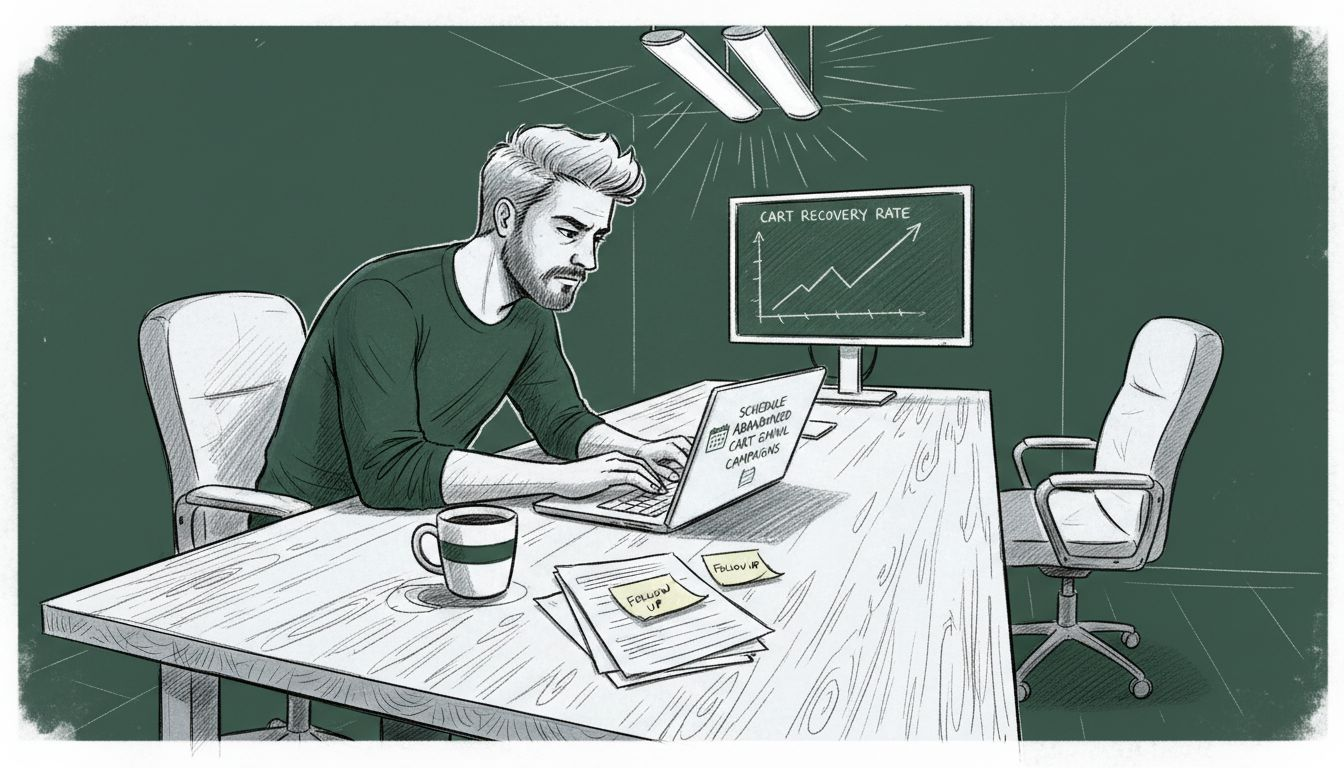
These improvements stem from sending the right message to the right person at the right time. When your abandoned cart email references the exact products a customer viewed, or your win-back campaign offers a discount on their favorite product category, you demonstrate understanding that builds trust. That trust translates directly into repeat purchases and higher lifetime value.
Data sources and segmentation techniques for effective personalization
The foundation of personalization lies in collecting the right data and using it intelligently to segment your audience. Not all data carries equal weight for retention marketing.
Behavioral and transactional data outperform demographics by 30% in targeting effectiveness. Demographics tell you who customers are, but behaviors reveal what they actually want. Purchase history, browsing patterns, email engagement, and cart abandonment provide actionable signals for segmentation.
Combining multiple data sources creates powerful targeting opportunities:
- CRM data: Customer profiles, lifetime value, purchase frequency, and support interactions
- Web analytics: Product views, time on site, search queries, and conversion paths
- Email engagement: Open rates, click patterns, and content preferences
- Transactional history: Product categories purchased, average order value, and buying seasonality
| Segmentation Type | Data Source | Retention Application |
|---|---|---|
| Lifecycle stage | Purchase history + engagement | Target first-time buyers differently than VIP customers |
| Product affinity | Browse and buy behavior | Recommend complementary products based on past purchases |
| Engagement level | Email metrics | Re-engage inactive subscribers with different messaging |
| Purchase frequency | Transaction data | Identify at-risk customers before they churn |
Real-time syncing between your CRM and email platform is critical for freshness. Only 45% of brands have real-time integration, leaving most marketers working with stale data. When your product recommendation email suggests items a customer already bought yesterday, you erode trust instead of building it.
Segmentation can start manually but should evolve toward AI assistance for scale. Simple segments like “purchased in last 30 days” work initially, but sophisticated behavioral clustering reveals patterns you’d never spot manually. The key is starting with your richest data sources and refining segments based on performance.
Pro Tip: Start with three core segments based on purchase recency, frequency, and monetary value (RFM analysis). This simple framework immediately improves targeting and provides a foundation for more sophisticated email segmentation strategies as you gather more data.
Proper segmentation correlates with measurably better results. Segmented campaigns boost open rates by 29% compared to unsegmented sends, and the click-through improvements are even more dramatic.

Technological tools and the role of AI in email personalization
AI and automation enable personalization at a scale impossible through manual effort alone. These technologies transform static email templates into dynamic, individually tailored experiences.
AI-powered platforms analyze customer data to predict preferences, optimize send times, and generate personalized product recommendations automatically. Dynamic content personalization boosts click-through rates by 41% by ensuring each recipient sees the most relevant offers and messaging.
Key AI applications for email personalization include:
- Predictive product recommendations: Machine learning identifies which products each customer is most likely to purchase next
- Send time optimization: AI determines the optimal delivery time for each individual subscriber
- Dynamic content blocks: Email sections automatically adjust based on recipient behavior and preferences
- Subject line generation: AI tests and selects subject lines most likely to resonate with specific segments
Despite AI’s power, adoption of critical infrastructure lags. Only 45% of brands sync CRM data in real time with email platforms, limiting personalization accuracy. Without current data, even sophisticated AI cannot deliver truly relevant experiences.
The most effective approach blends manual strategy with AI execution. You define the segmentation logic, customer journey maps, and brand voice, while AI handles the tactical personalization at scale. This hybrid model lets you maintain creative control while leveraging technology for efficiency.
Investing in the right tools matters. Your email service provider should offer robust segmentation, dynamic content capabilities, and reliable integrations with your CRM and e-commerce platform. Without these foundations, sophisticated personalization remains out of reach.
Pro Tip: Before investing in advanced AI tools, ensure your data foundation is solid. Clean, integrated customer data delivers more value than fancy algorithms working with incomplete information.
Common misconceptions about email personalization
Misunderstandings about what constitutes effective personalization prevent many marketers from achieving better retention results. Clarifying these myths helps you avoid common pitfalls.
70% of marketers confuse automation with personalization, treating scheduled email sequences as personalized communication. Automation handles timing and delivery, but personalization requires tailoring content to individual preferences and behaviors. A welcome series that sends identical emails to every new subscriber is automated, not personalized.
The biggest misconceptions include:
- Myth: Using first names equals personalization: Name insertion is table stakes, not a differentiation strategy that drives retention
- Myth: Automation means personalization: Scheduled emails without behavioral triggers or dynamic content lack true personalization
- Myth: Demographics are sufficient: Demographic-only targeting reduces effectiveness by 30% compared to behavioral approaches
- Myth: Set it and forget it works: Effective personalization requires continuous testing and refinement based on performance data
- Myth: More data always helps: Collecting data you won’t use creates privacy concerns without delivering value
The most damaging misconception is that surface-level personalization suffices. Adding a customer’s name to a generic promotional email doesn’t make it relevant to their interests or needs. True personalization reflects understanding of where they are in their customer journey and what value you can provide at that moment.
Understanding what personalization truly requires helps you build strategies that actually improve retention metrics. Focus on behavioral signals, leverage technology appropriately, and commit to ongoing optimization rather than one-time setup.
Framework for building a successful email personalization strategy
A systematic approach to personalization ensures you build on solid foundations and continuously improve results. This four-layer framework organizes your efforts from data collection through optimization.
Effective personalization integrates data collection, segmentation, dynamic content, and continuous measurement into a cohesive system. Each layer builds on the previous one to create increasingly sophisticated targeting.
-
Data collection and integration: Establish connections between your email platform, CRM, e-commerce system, and web analytics to create unified customer profiles with behavioral, transactional, and engagement data.
-
Strategic segmentation: Combine manual logic with AI-assisted clustering to identify meaningful customer groups based on lifecycle stage, purchase behavior, engagement patterns, and product affinity.
-
Dynamic content creation: Develop email templates with modular content blocks that adapt based on segment membership, ensuring each recipient sees the most relevant messaging, offers, and product recommendations.
-
Measurement and refinement: Track segment-specific performance metrics, test personalization variables, and continuously optimize based on what drives engagement and conversions for each audience.
| Framework Layer | Key Actions | Expected Outcome |
|---|---|---|
| Data Collection | Integrate CRM, web analytics, transaction data | Unified customer profiles |
| Segmentation | Create behavioral and lifecycle segments | Targeted audience groups |
| Dynamic Content | Build adaptive email templates | Individually relevant messages |
| Measurement | Track KPIs, A/B test, iterate | Continuous performance improvement |
This framework scales with your sophistication. Start with basic behavioral segments and simple dynamic content blocks, then progressively add complexity as you gather performance data and refine your approach.
The key is treating personalization as an ongoing program rather than a one-time project. Customer behaviors evolve, product catalogs change, and market conditions shift. Your personalization strategy must adapt accordingly through regular testing and optimization.
Pro Tip: Begin with one high-value customer journey (like post-purchase or cart abandonment) and perfect personalization there before expanding to other touchpoints. Depth beats breadth when building your personalized email content capabilities.
Applying this framework systematically helps you avoid random acts of personalization and instead build a coherent strategy that compounds value over time. The structure ensures you’re collecting the right data, using it intelligently, and measuring what matters for retention.
Case studies: real-world successes with personalized email campaigns
Seeing personalization frameworks in action helps translate theory into practice. These examples demonstrate measurable retention and revenue improvements from strategic email personalization.
A luxury subscription brand implemented comprehensive behavioral segmentation and dynamic product recommendations, resulting in a 24% increase in repeat purchases within six months. By analyzing browsing behavior and purchase history, they delivered highly targeted product suggestions that resonated with individual preferences.
Key success factors from real implementations:
- Triggered behavioral campaigns: Automated emails responding to specific customer actions (cart abandonment, browse abandonment, post-purchase) consistently generate higher revenue than scheduled promotional sends
- AI-driven recommendations: Machine learning product suggestions based on collaborative filtering and individual purchase history significantly improve click-through rates and conversions
- Lifecycle-based messaging: Tailoring email content and offers to customer tenure and engagement level reduces churn and increases lifetime value
- Real-time personalization: Dynamic content that reflects current inventory, recent activity, and contextual factors creates urgency and relevance
These results validate the frameworks discussed earlier. Brands that combine quality data, strategic segmentation, and dynamic content consistently outperform those relying on generic email blasts or surface-level personalization.
The case studies demonstrate that personalization improvements need not be massive overhauls. Often, incremental enhancements to segmentation logic or content relevance compound into significant retention gains over time.
Next steps: how to implement personalized email campaigns for your brand
Translating personalization knowledge into action requires a structured implementation approach. These steps help you build or enhance your personalized email program systematically.
-
Audit and integrate your data sources: Identify all customer data touchpoints (CRM, e-commerce platform, web analytics, email engagement) and establish reliable integrations to create unified customer profiles.
-
Build foundational segments: Start with basic segmentation using RFM analysis (recency, frequency, monetary value) to identify your most valuable customers, at-risk accounts, and growth opportunities.
-
Map your customer lifecycle: Document the typical journey from first purchase through loyalty, identifying key touchpoints where personalized communication can drive retention.
-
Deploy dynamic content: Implement email templates with modular content blocks that adapt based on segment membership, starting with high-impact areas like product recommendations and offers.
-
Set up behavioral triggers: Create automated email workflows that respond to specific customer actions (purchases, cart abandonment, browsing patterns) with contextually relevant messaging.
-
Establish measurement frameworks: Define KPIs for each segment and campaign type, tracking opens, clicks, conversions, and revenue to identify what drives retention for different audiences.
-
Test and optimize continuously: Run regular A/B tests on personalization variables (subject lines, content blocks, send times, offers) and refine your approach based on performance data.
Implementation succeeds when you start focused rather than trying to personalize everything at once. Pick your highest-value customer journey or segment, perfect the personalization there, then expand systematically to other touchpoints.
Pro Tip: Document your segmentation logic and personalization rules clearly so your team can maintain and evolve them over time. Personalization programs fail when they become black boxes nobody understands.
The path from generic email blasts to sophisticated personalization is iterative. Each improvement in data quality, segmentation precision, or content relevance compounds value over time. Start with achievable wins, measure rigorously, and build momentum through demonstrated results.
Unlock your retention potential with expert email personalization
Building sophisticated personalization programs requires expertise, technology, and ongoing optimization. Professional support can accelerate your journey to higher retention and revenue.
The Retention Lab offers data-driven strategies specifically designed to maximize customer lifetime value through advanced email personalization. You’ll access proven frameworks, segmentation models, and campaign templates that compress years of learning into immediate implementation.
Explore the retention toolkit for practical resources that guide your personalization efforts, from segmentation worksheets to dynamic content templates. Real case studies demonstrate how brands like yours achieved measurable retention improvements through strategic email personalization.
FAQ
What types of customer data are most important for email personalization?
Behavioral and transactional data deliver stronger personalization results than demographics alone. Purchase history, browsing patterns, and email engagement provide actionable signals for relevant targeting. Real-time data syncing ensures your messages reflect current customer activity, not outdated information.
How does AI improve email personalization in e-commerce?
AI enables real-time content tailoring based on individual customer behavior and preferences at scale impossible manually. Machine learning algorithms predict product interests, optimize send times, and generate personalized recommendations automatically. AI-driven dynamic content boosts click-through rates by 41% while helping marketers manage complex segmentation efficiently.
What are common mistakes to avoid with email personalization?
Avoid relying solely on first-name insertion or demographic targeting, which limits effectiveness significantly. Don’t confuse automation with true personalization; scheduled emails need behavioral triggers and dynamic content to be genuinely relevant. Ensure your data integrations provide fresh, real-time information to prevent stale campaigns that reference outdated customer activity.
How quickly can I expect to see results from email personalization?
Basic segmentation and dynamic content typically show measurable improvements in open and click-through rates within 2-3 campaigns. Revenue and retention impacts become evident over 3-6 months as you refine segmentation and optimize lifecycle triggers. The key is starting with high-value customer journeys and expanding systematically based on performance data.


